
Live Monitoring Active
1 Critical · 2 Warnings

The Infrastructure That Knows Itself

INFORM embeds turbostratic graphene into concrete during the pour — creating structural material that continuously monitors its own health, detects micro-fractures years before they surface, and feeds a live Digital Twin.

$1.08T
Global Ready-Mix Market 2025
$27.06B
Global SHM Market by 2034
60×
Cost savings vs reactive repair
2–3×
Concrete service life extension
Core Technology

Validated at the Molecular Level

Every performance claim is peer-reviewed. Every mechanism independently confirmed by leading materials science institutions.

Flash Joule Heating
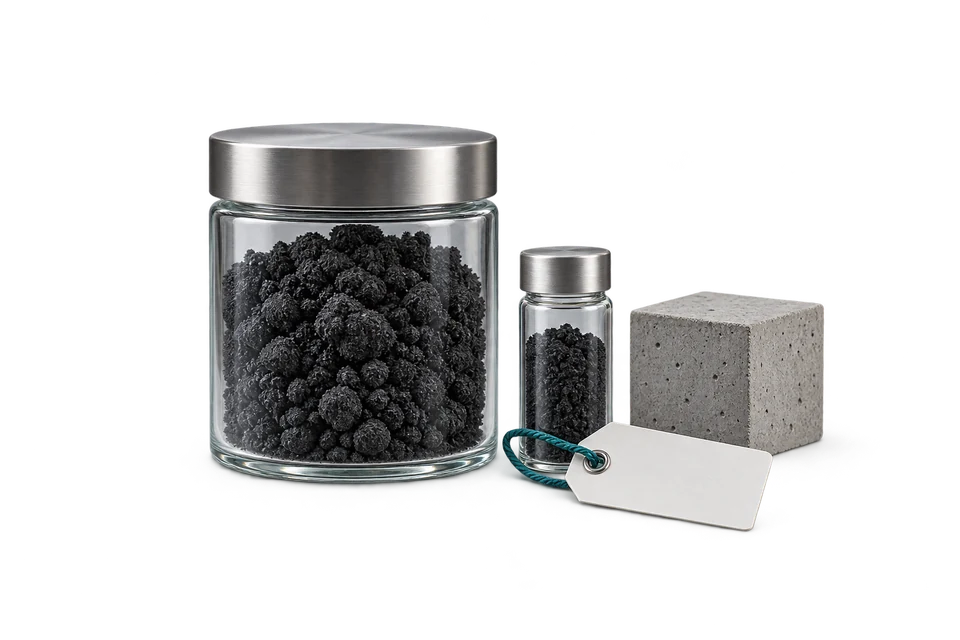
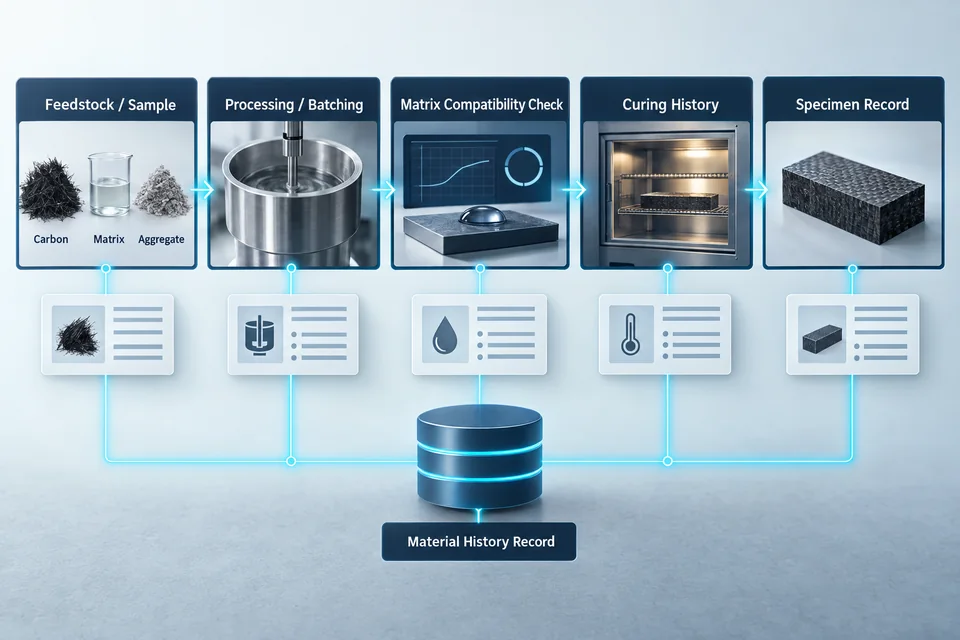
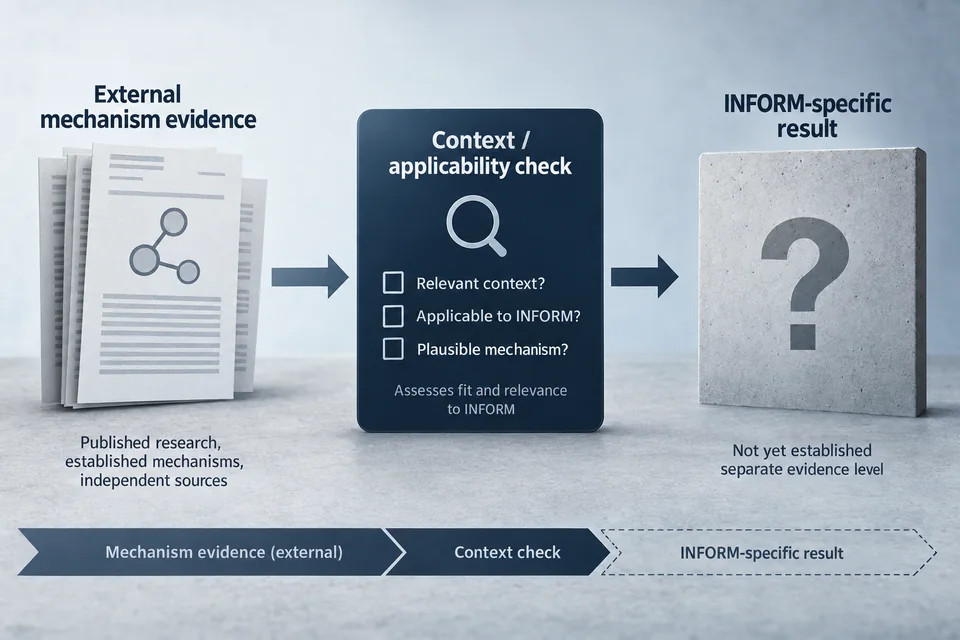
FJH can convert carbonaceous feedstock — into turbostratic graphene in under one second. No furnace, no solvents, no reactive gases. INFORM's material selection and batch traceability remain subject to COA/SDS verification before lab execution.
✓ Validated — Nature (Luong et al., 2020)
Turbostratic Graphene Concrete
0.05% TG addition delivers 20–30% compressive strength gain, 15–25% cement volume reduction, and 2–3× service life extension. Reduces embodied CO₂ by 250–350 kg per cubic metre — creating monetisable carbon credits under ETS frameworks.
✓ Validated — Springer Nature, 2025
Piezoresistive Sensing
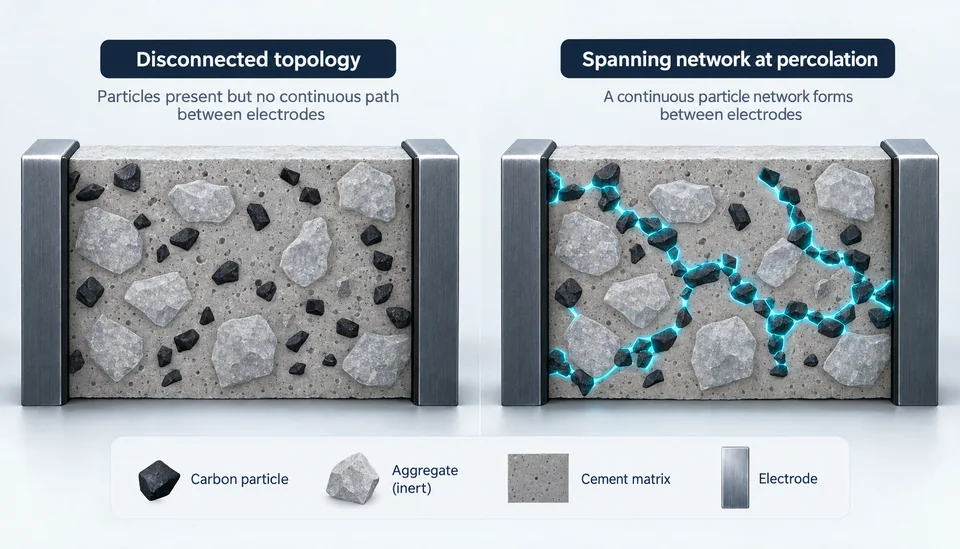
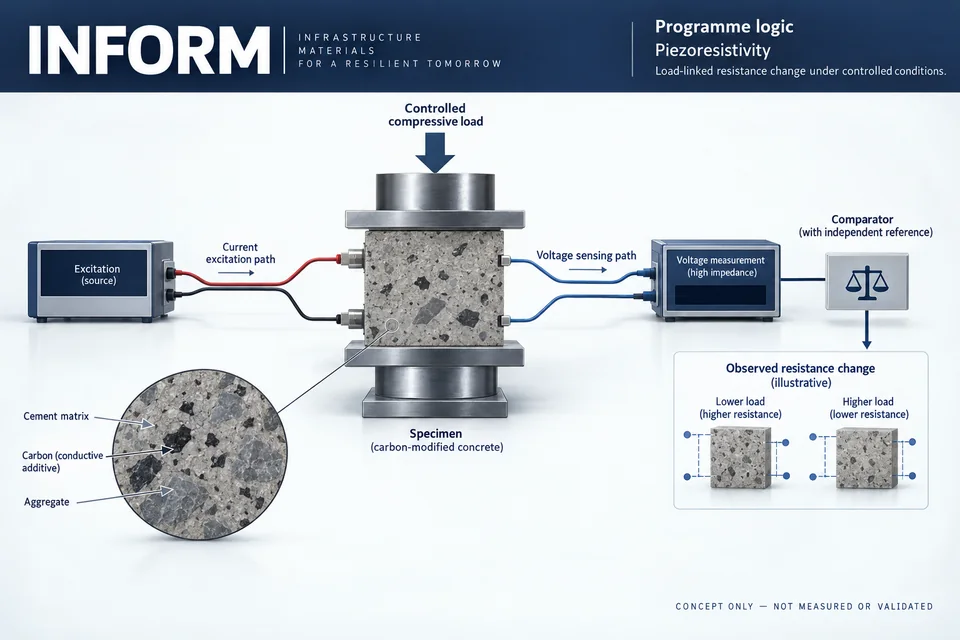
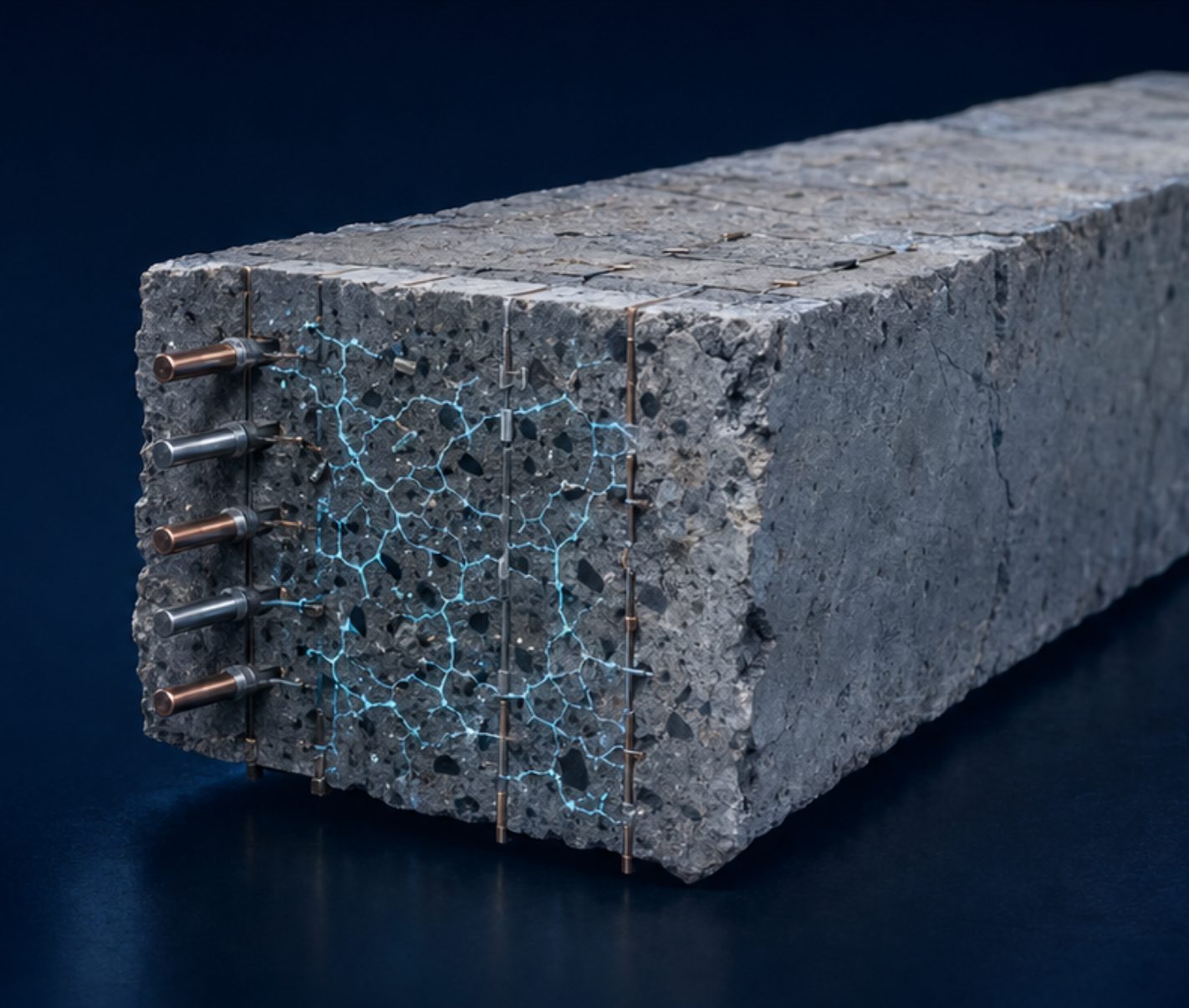
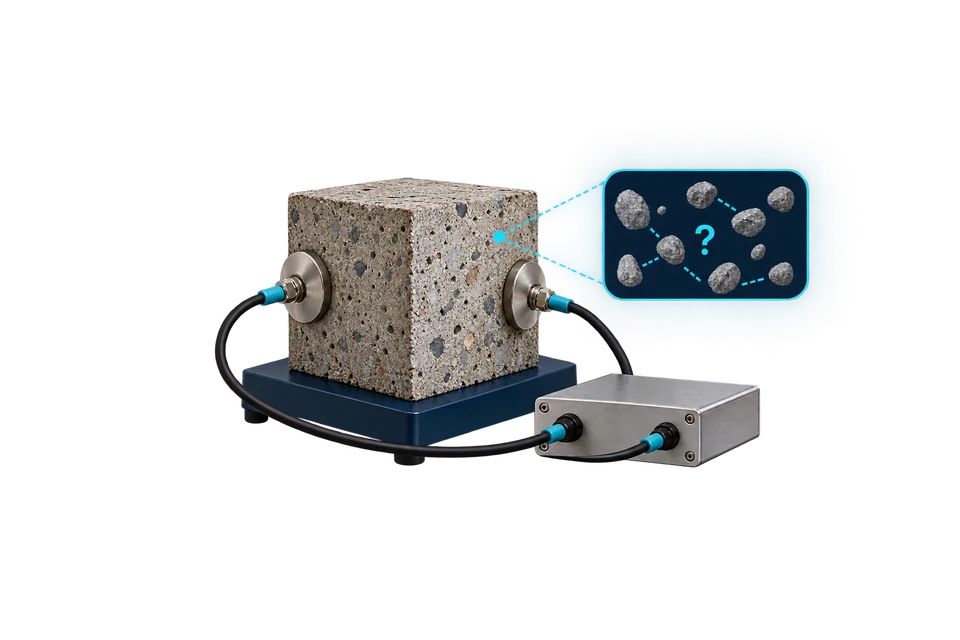
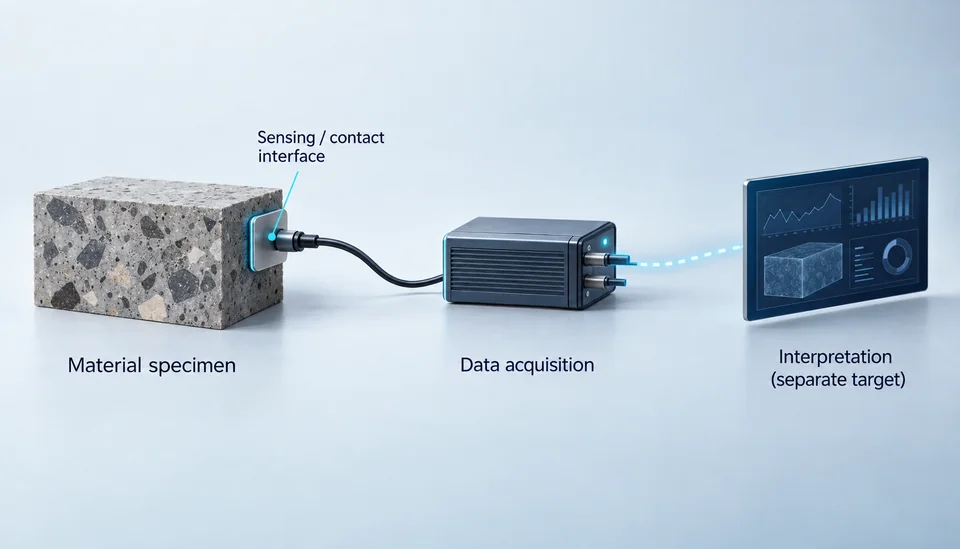
Graphene flakes form a continuous 3D conductive percolation network throughout the cured matrix. Electrical resistance changes linearly with mechanical strain — enabling micron-level anomaly detection embedded in the structure itself. No third-party hardware required.
✓ Validated — Scientific Reports, 2026
Division 1 — Material Layer

Concrete That Costs Less & Lasts Longer

INFORM enters the global ready-mix concrete market as a cost-superior material that also eliminates carbon liability. The addressable market is the entire ready-mix sector — not a sustainability niche.

  • Portland cement costs cut 15–25% per cubic metre
  • 20–30% compressive strength gain at 0.05% TG dosage
  • 100-year design life compliance — 2–3× service life extension
  • 250–350 kg CO₂ reduction per m³ — monetisable carbon credits
  • AUS market: USD 53.48B (2025) → USD 121.27B (2034) at 9.24% CAGR
Strength Gain
+30%
Compressive at 0.05% TG
Cement Reduction
−25%
By weight, same C40 grade
CO₂ Saved
350kg
Per cubic metre poured
Service Life
100yr
Design life compliance
TG production cost at scale
~USD 0.50/kg
Flash Joule Heating · Waste tyre feedstock
Division 2 — Cyber-Physical Layer

The Infrastructure IS the Sensor

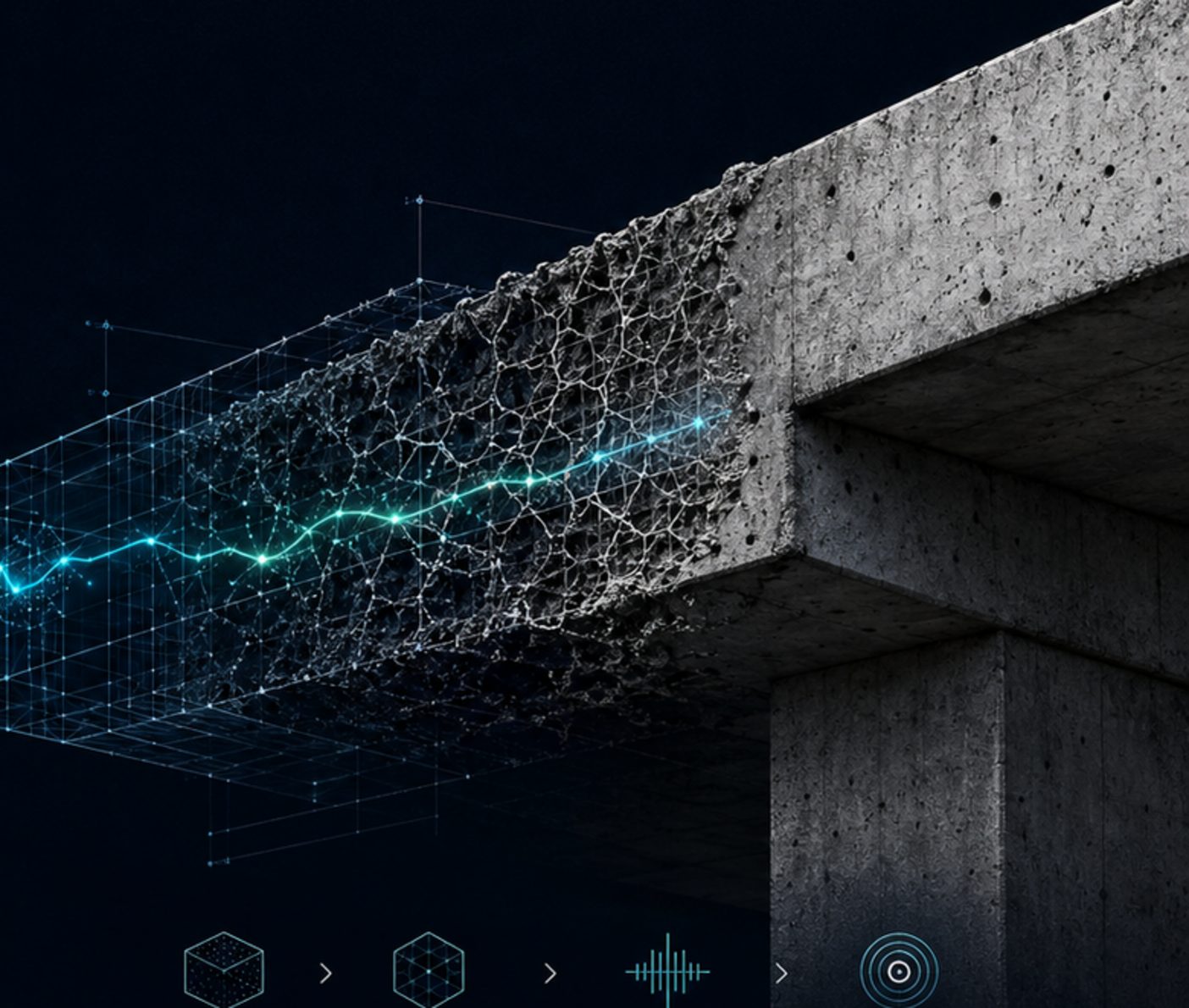
When TG flakes disperse through the cured concrete matrix they form a continuous 3D conductive network — transforming every pour into a permanent distributed strain sensor. No retrofitting. No third-party hardware.

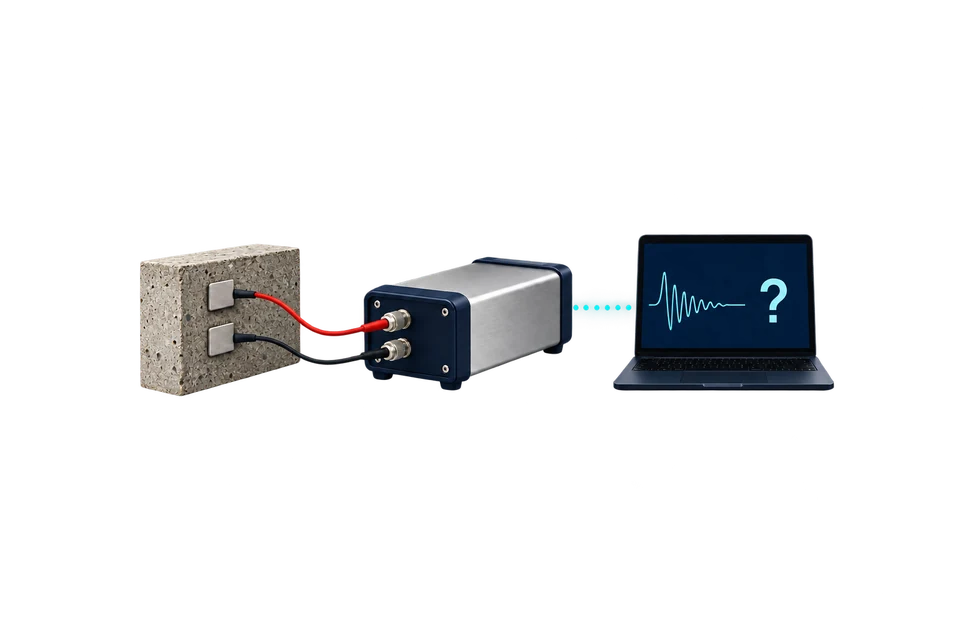
  • DAQ resolves micron-level strain anomalies in real time
  • PULSE Digital Twin fed by continuous cloud telemetry
  • 2–3 year inspection blind-spot eliminated
  • SaaS at 70–80% gross margin · Negative churn · Data network effects
  • Year 15: actuarial dataset licensed to global reinsurers at 90% margin
PULSE Digital Twin · Live
Active
A1
SHS 94%
A2
SHS 71%
A3
SHS 89%
B1
SHS 41%
B2
SHS 68%
B3
SHS 92%
CRITCrack propagation — Zone B1 · ΔR/R +12.4%2m ago
HIGHLoad stress exceedance — Zone A2 · 1.87 MPa7m ago
How It Works

From Pour to Prediction

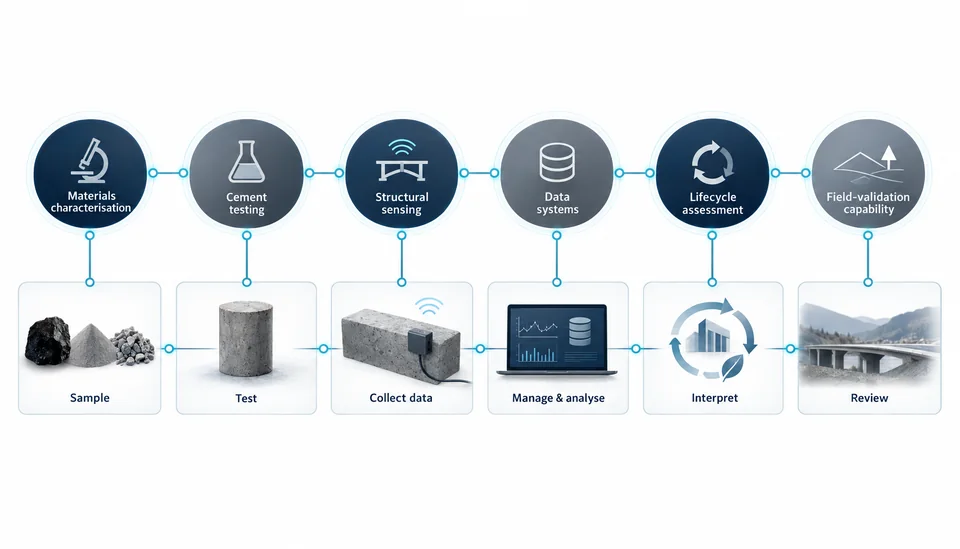
Four validated stages transform every concrete pour into a permanent, self-monitoring structural intelligence asset.

01
Synthesise
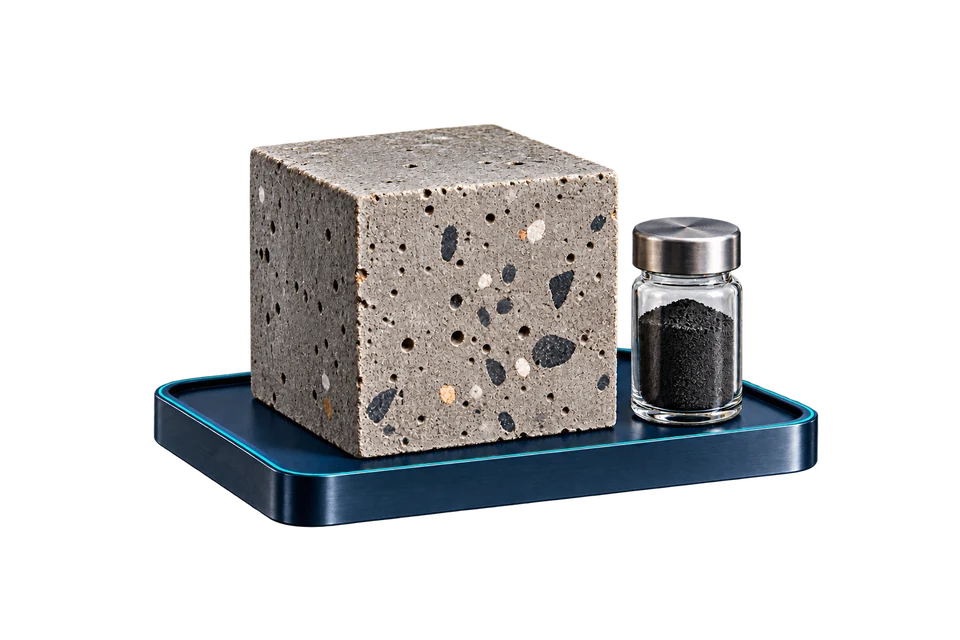
Waste tyres converted to turbostratic graphene via Flash Joule Heating at ~USD 0.50/kg. Pre-dispersed in a stable admixture for standard batching plant integration — no on-site mixing required.
02
Embed
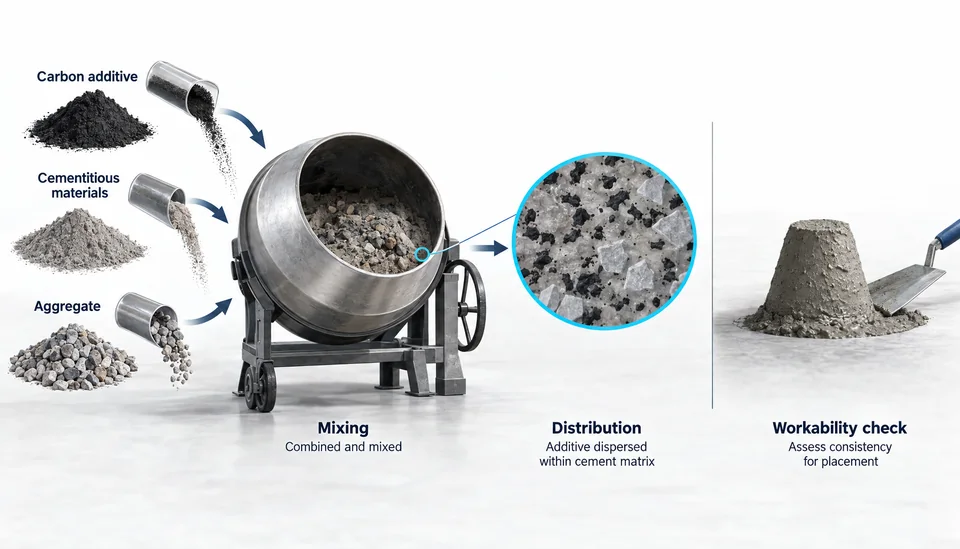
TG admixture added at 0.05% by cement weight during standard ready-mix batching. Stainless-steel mesh electrodes cast in-situ. No structural modification or post-cure installation required.
03
Monitor
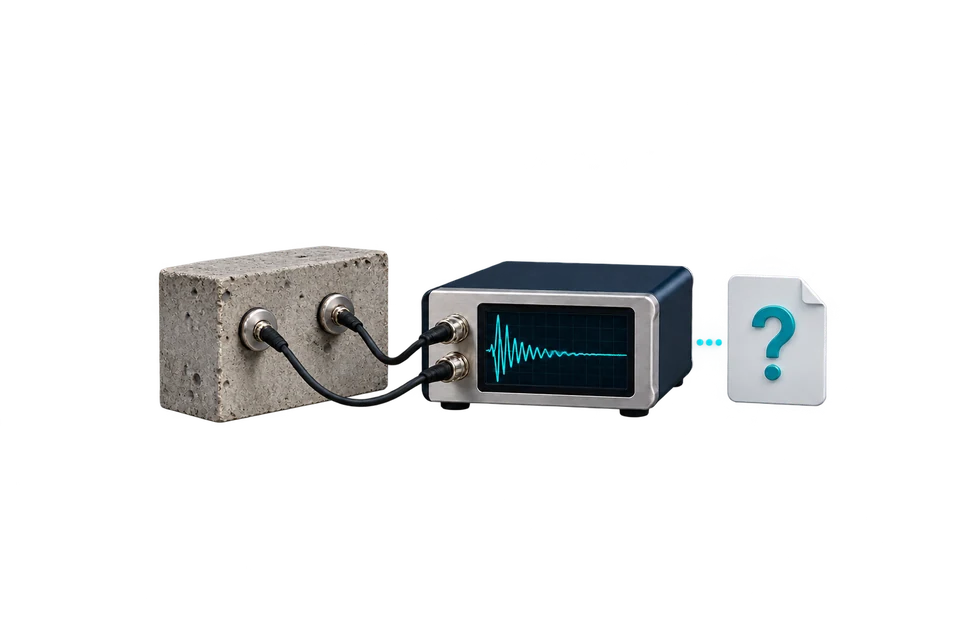
A DAQ system digitises analogue resistance signals proportional to internal mechanical strain. Noise-cancellation algorithms separate thermal and humidity signals. Telemetry streamed to secure cloud via IoT gateway.
04
Predict
PULSE Digital Twin updates in real time. Anomaly-detection identifies micro-fracture initiation years before surface manifestation — enabling Phase B proactive repair at USD 25–50/m² vs USD 1,000–3,000/m² reactive reconstruction (60× cost multiplier).